Finding a New Sonic Language for Every Story: An Interview with composer Sara Barone
I had the pleasure of asking two-time Emmy-nominated composer Sara Barone about her journey into film and television music, her approach to sound and experimentation, and the process behind creating the score for Netflix-series The Beast in Me.
For Barone, music has always been about curiosity — about discovering new sounds, exploring different musical worlds, and finding the right sonic language for each story.
♪
A pianist and vocalist originally from Providence, Rhode Island, Barone has spent the past decade in Los Angeles, building a career across film and television. Her musical journey began with classical piano at the age of six and later took her from the New England Conservatory Preparatory School in Boston to Columbia University, where she studied composition, and eventually to USC’s Screen Scoring program.
Along the way, she immersed herself in a remarkably broad range of musical traditions, from electroacoustic music and modular synthesis to Indian classical music and jazz fusion. That openness to sound has become an important part of her approach to scoring.
“I love that every project invites you to build a completely new musical world and collaborate with people from different creative disciplines,” Barone says. “That process of discovering a new sonic language for each story is still what draws me to film and television composing today.”
Finding her way into screen scoring
Barone loved studying and playing piano, performing in front of an audience was never what she was most drawn to.
“When I started to compose and began collaborating with filmmakers and creatives of all kinds I felt most inspired,” she recalls.
Her move to New York to study composition at Columbia University became an important period of musical discovery. Living in the city exposed her to an enormous variety of sounds and traditions and encouraged her to look beyond the musical world she had grown up with.
“It was a period when I really began to expand my musical horizons and discover the kinds of sounds and ideas that resonated with me,” .
She later attended USC’s Screen Scoring program, where she began focusing more specifically on composing for film, television and video games.
But one particular film experience had already shown her just how powerful a score could be.
Barone remembers watching 28 Weeks Later while she was still in school. One scene in particular stayed with her: a man running through the English countryside while being chased by zombies.
“What stayed with me was the unexpected power of the score, a beautiful, slowly building piece of music set against the horror unfolding on screen,” she recalls. “That juxtaposition was incredibly affecting, and it became a defining moment in my understanding of how music can transform a scene and deepen its emotional impact.”
That idea, the relationship between what we see and what we hear, remains central to the way Barone approaches scoring.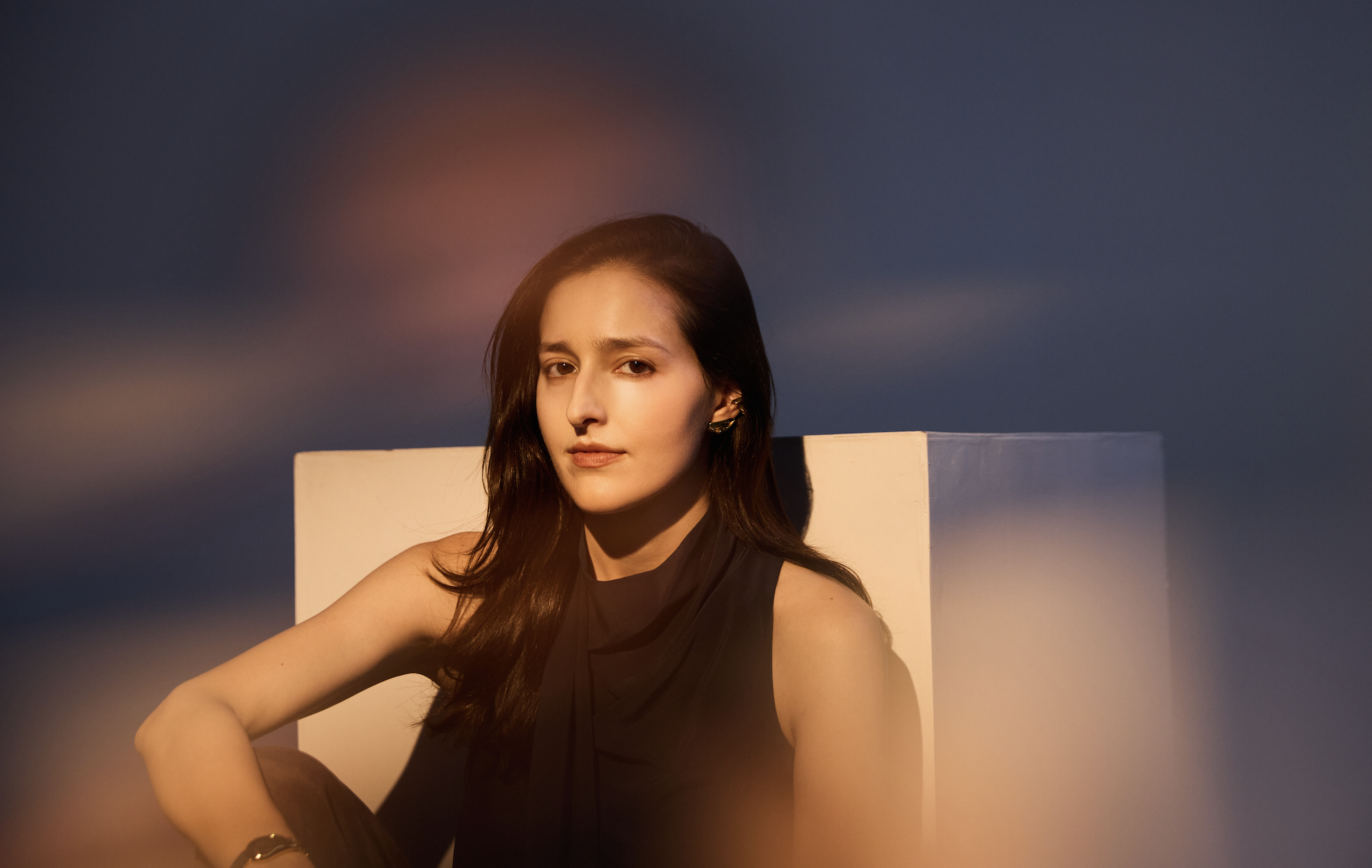
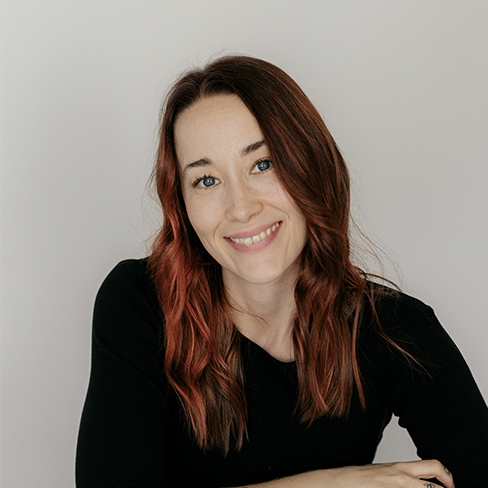
photo by: Anna Azarov
Building a world through sound
Barone enjoys conducting when the opportunity arises, but some of her most exciting musical discoveries happen when she brings other musicians into her studio.
“I really love inviting various musicians into my studio and recording them using unconventional techniques, manipulated acoustics, and electronics, those are the moments where I usually feel most inspired and end up discovering a unique sound for a score.”
Rather than beginning with a fixed musical formula, Barone often lets the emotional goal of a scene guide the musical choices. When asked what usually comes first: an instrument, a texture, a melody or an emotion? Her answer is simple:
“For me usually the emotion that I’m going for leads me to the instrument and the melody (or motif) simultaneously.”
That approach is particularly evident in her work on the Netfllix-series The Beast in Me, where sound became an important part of understanding the characters and the shifting emotional landscape of the story.
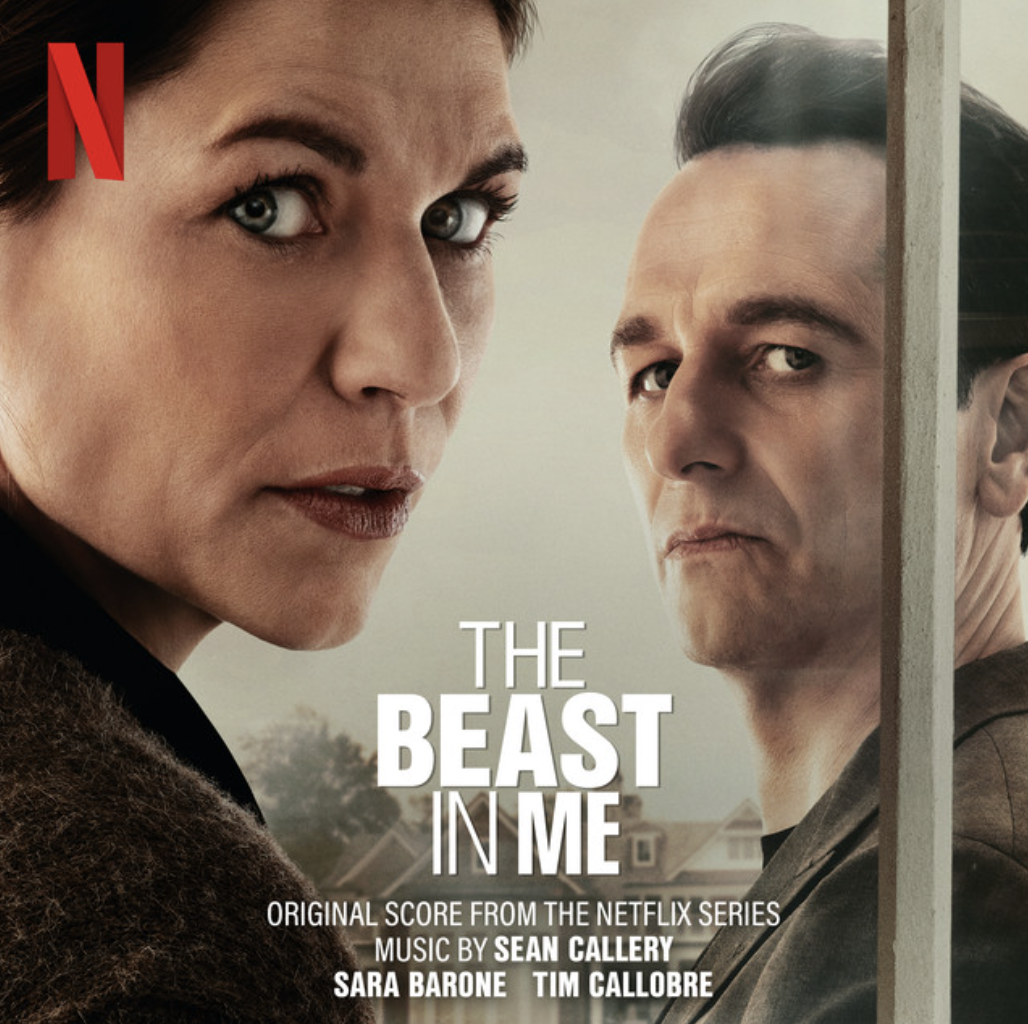 Creating The Beast in Me
Barone and her co-composers Sean Callery and Tim Callobre came onto The Beast in Me early in the process, giving them valuable time to experiment before the series entered the edit
“We had the time to explore the palette and write theme ideas just from reading the script,” she explains.
For months, they worked together to establish the musical world of the series, experimenting with soloists and recording and manipulating woodwinds, percussion, strings and prepared piano.
“So going into the edit we had worked together to establish the palette and theme ideas and could dispatch on various areas of the score while all being completely aligned musically,”.
The collaboration also benefited from the different perspectives each composer brought to the project.
“I think that each of us came to the project with a unique perspective which really elevated the score in unexpected ways.”
From reading the script to completing the score for the series, the process took approximately ten months.
And throughout that time, the actors themselves became an important source of musical inspiration.
“Claire Danes and Matthew Rhys brought so much nuance to their characters that they constantly sparked new musical ideas,».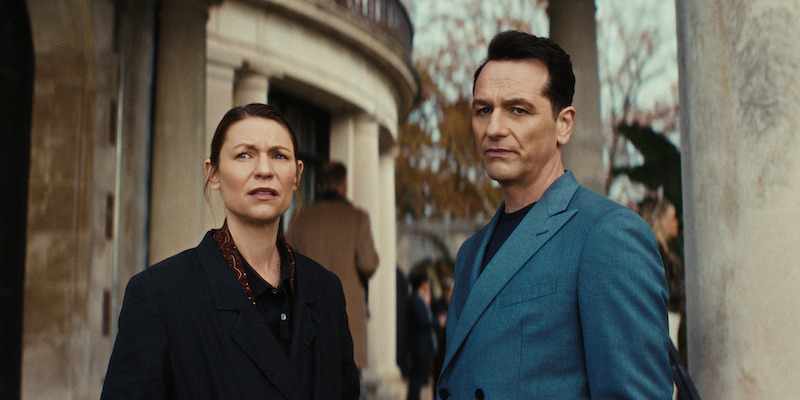
Rather than simply reflecting what the characters were feeling on the surface, Barone wanted the music to explore what was happening underneath.
“We spent a lot of time experimenting with textures and unconventional sounds that could reflect not just what the characters were feeling, but what was simmering beneath the surface. I was especially inspired by the way their relationship slowly transforms, from one rooted in intrigue and mutual curiosity to one increasingly defined by unease, dread, and fear. That emotional progression became a guiding thread for the score.”.
The sound of something lurking beneath the surface
One of the biggest challenges was creating a musical language that could accommodate the many different tones of The Beast in Me. The series moves between quirkiness, intrigue, mystery and psychological horror.
“We wanted the score to feel intentional and focused rather than overly layered, giving each instrument space and presence so that every musical idea felt meaningful.”
Perhaps the most delicate challenge was finding the sound of the character Nile Jarvis.
The music needed to create a feeling of danger without immediately telling the audience the twist.
“We didn't want to be too heavy-handed because the story constantly invites the audience to question whether he is actually a killer,” Barone explains. “The music needed to create a sense of unease and danger without immediately signaling that he was evil.”
Instead, the composers created a subtle musical identity that could gradually reveal more as the story progressed.
For the character Aggie, they developed brittle, highly percussive textures from strings and woodwinds — scrapes, taps, breathy articulations and other close, tactile sounds.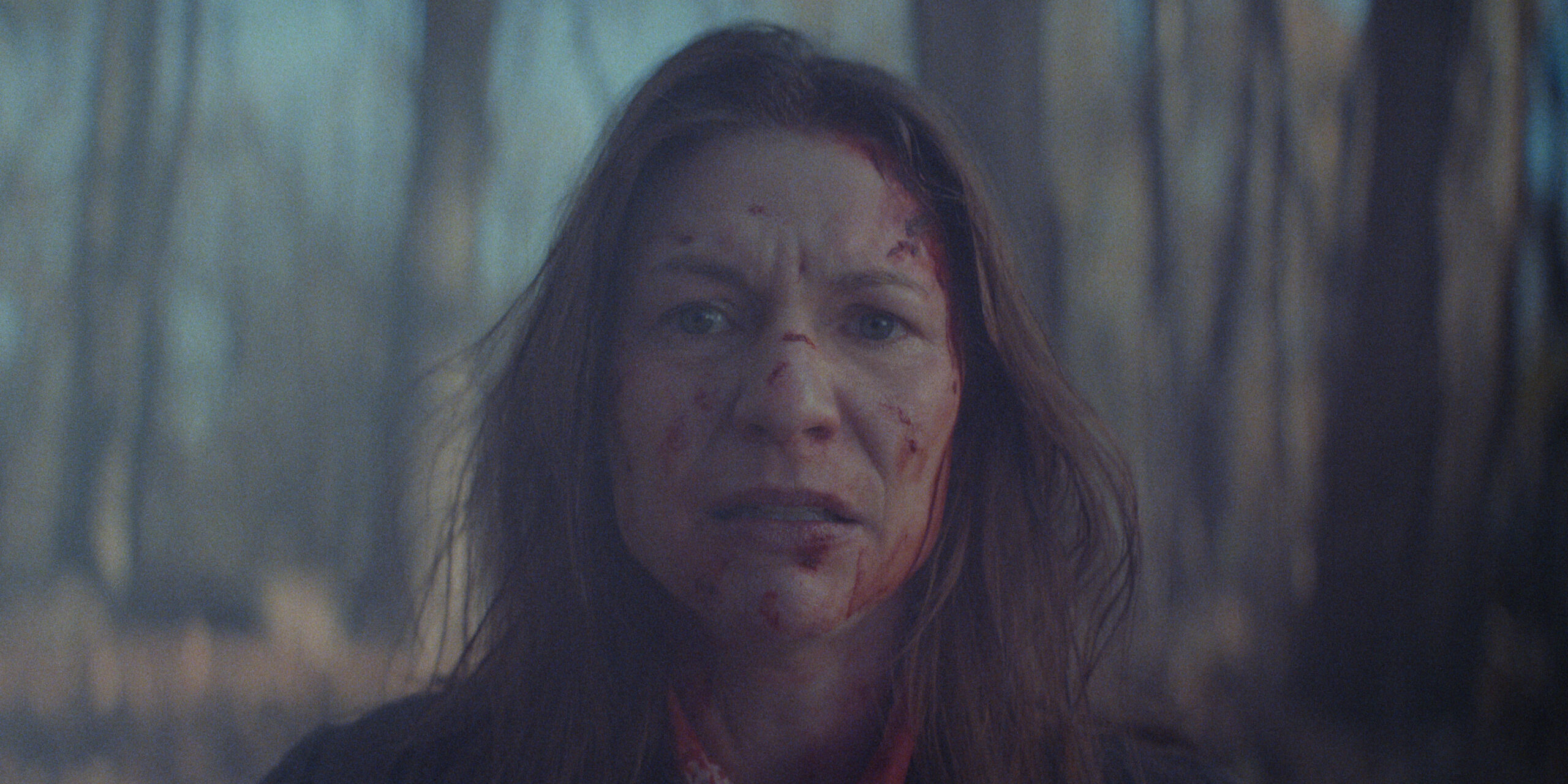
“There’s an anxious, brittle, and fragmented quality to them that seemed to reflect where she is emotionally: caught in this cycle of grief, isolation and writer’s block.”
Nile, meanwhile, received something very different.
The composers developed a signature synthesizer sound they began calling the “beast sound.” It has a subtle push and pull, a sense of something constantly brewing without ever fully settling.
“To me, it is the sound of someone suppressing something volatile within themselves: you can feel it moving beneath the surface, but you don’t yet know when, or if, it will break through.”
The sound was woven subtly throughout the score and evolved alongside Nile.
“By the time we begin to understand what the ‘beast’ really is, the sound has almost been revealing it to us all along.”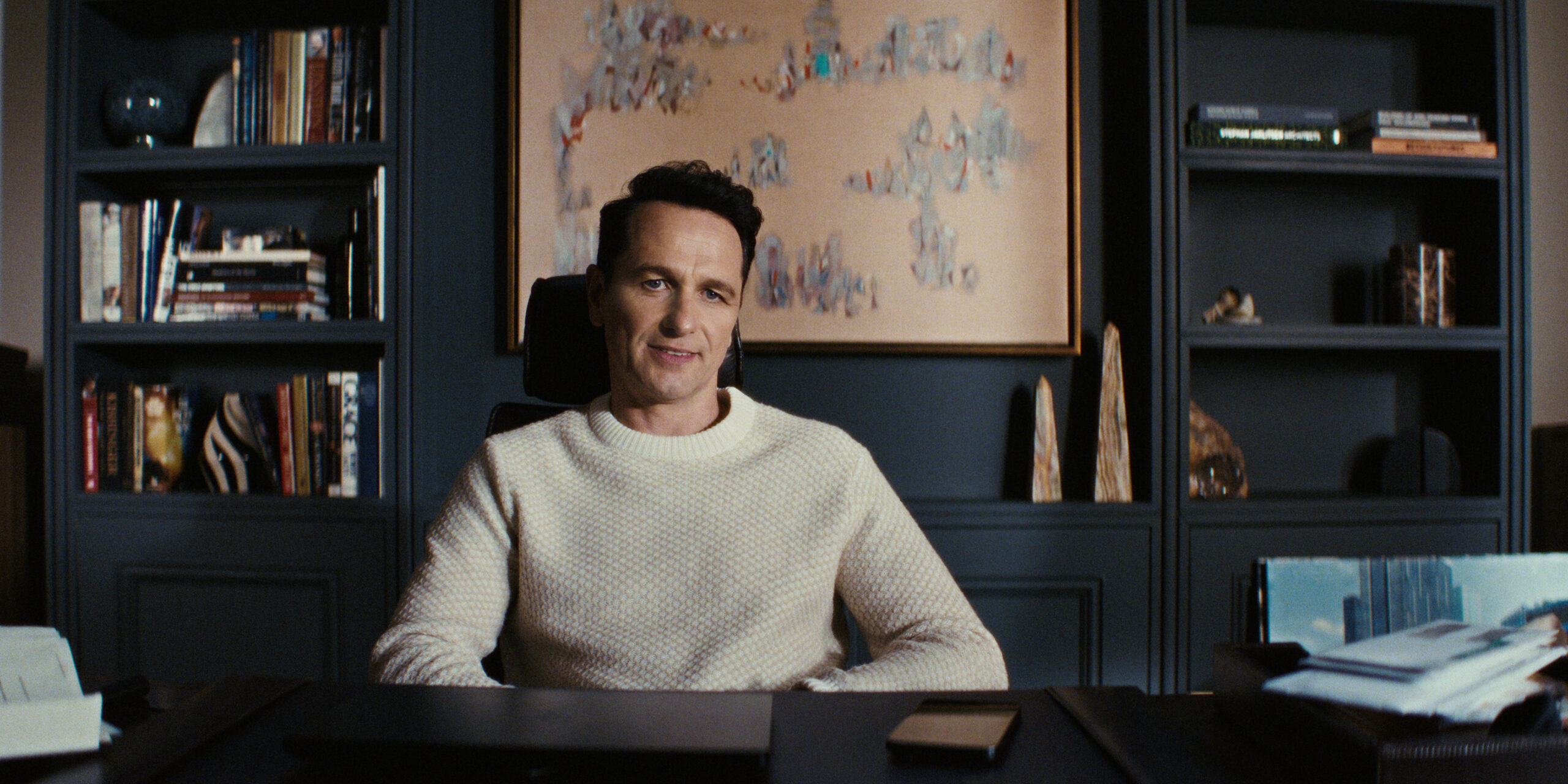
When the score gets physical
One of Barone’s favorite cues from The Beast in Me comes from an unexpectedly memorable scene in the second episode, when Nile eats an entire chicken with his bare hands.
“There’s something almost absurdly primal about the scene, It’s darkly funny, but also deeply unsettling, so I wanted the music to live in that same uncomfortable space.”
The cue, appropriately titled “Eating Chicken” on the soundtrack, allowed Barone to approach the ensemble in a particularly unconventional way.
Listen to the song here:
She built the piece around abrasive and physical sounds: strings being scraped, struck and pushed into animalistic textures, percussive hits, friction sounds and closely recorded vocal percussion.
“It was a chance to treat the ensemble less conventionally and create something that felt visceral and slightly unhinged rather than traditionally ‘scored.’”
It is perhaps a perfect example of Barone’s broader approach: finding the sound that belongs to a particular moment, rather than forcing a conventional musical language onto it.
Inspiration and musical influences
That willingness to experiment is reflected in the wide range of artists and filmmakers Barone finds inspiring.
She is drawn to the films and shows coming from studios such as Monkeypaw, LuckyChap, Blumhouse and the BBC, and cites directors Zach Cregger, Jordan Peele and Chloé Zhao among those whose work inspires her.
Though it’s tough for her to list favorite composers and musicians, because there are so many, and her musical influences are equally varied: she does mention artists like The Marías, Not for Radio, Trent Reznor and Atticus Ross, Cristobal Tapia de Veer, Daniel Pemberton and Colin Stetson.
One score in particular, however, has remained with her since childhood: Jerry Goldsmith’s music for The Mummy (1999).
“It’s a masterclass in theme writing and orchestration and still one of my favorite scores to date.”
For something more contemporary, she points to Cristobal Tapia de Veer.
“He has such a unique musical voice that comes through in every score he writes,” Barone says. “There’s a fearlessness to his use of sound and instrumentation that I find incredibly inspiring.”
Looking ahead
Barone is currently working on an upcoming television series, although she is keeping the details under wraps for now.
When it comes to the kinds of stories she would most like to explore, she is drawn to world-building, psychological thrillers, science fiction and character-focused films that are willing to take creative risks. She also has a particular dream project in mind.
Her experience participating in the Universal Composer’s Initiative, run by Mike Knobloch, left a lasting impression. She describes the music team there as “such passionate creatives who truly value every part of the scoring process from start to finish.”
“It'd be a dream to work on a project with them.”
It is a fitting ambition for a composer whose career has been shaped by collaboration and curiosity.
And for young composers hoping to find their own way into film and television, Barone’s advice comes back to the importance of developing a voice that is genuinely their own.
“I think one of the most important things is to develop a strong musical identity, rather than trying to anticipate what you think the industry wants to hear.”
Technical skill matters, she explains, but ultimately what makes someone memorable is having a point of view, being curious, experimenting and discovering what feels uniquely yours.
She also emphasizes persistence and the relationships built along the way.
“There’s rarely a clear or predictable path into this field, and opportunities often come from unexpected places.”
Her advice is to stay curious, continue creating even when there is no immediate project attached to it, and strive to become both a distinctive musical voice and a thoughtful, reliable collaborator.
For Barone, that curiosity seems to be at the heart of everything.
From the classical piano she began playing as a child, to the unconventional sounds of The Beast in Me, her approach continues to revolve around one fundamental question: what does this particular story need to sound like?
And perhaps that is what makes her music so interesting: the willingness to keep searching until she finds the answer.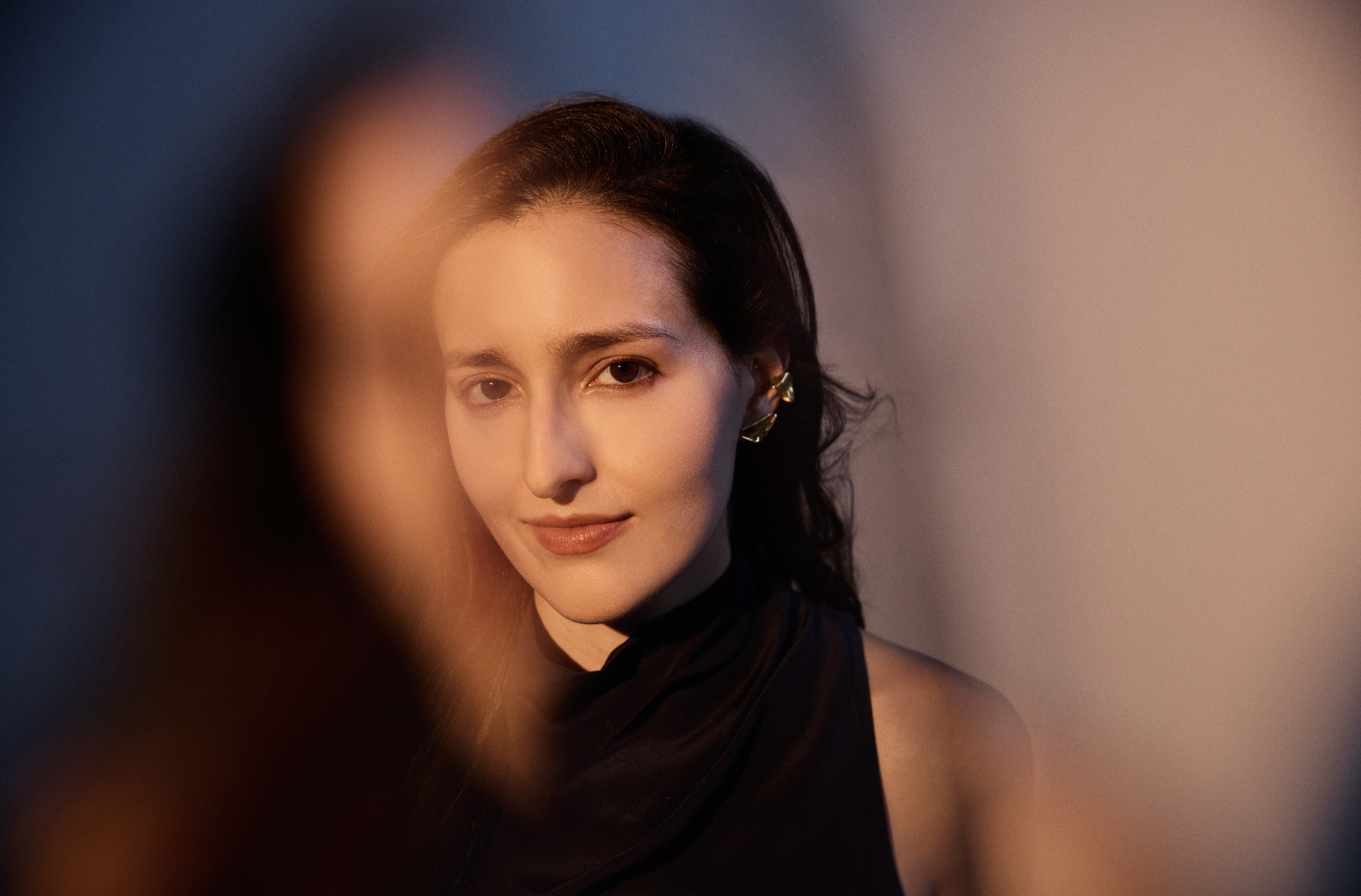
About Sara Barone
♪ Based in Los Angeles, Sara Barone is a composer for film, television, and video games whose work is rooted in sonic discovery.
♪ Her additional music credits include recognizable productions such as Zack Snyder’s Justice League, Sonic the Hedgehog, Terminator: Dark Fate, Scoob!, Love, Death & Robots, and the Netflix series Hit & Run.
♪ Two-time Emmy-nominated composer, recognized for her work on Planet Earth III (2024), nominated for Outstanding Music Composition for a Documentary Series or Special (Original Dramatic Score) for the episode “Extremes,” and The Beast in Me (Netflix, 2026), winner for Outstanding Music Composition for a Limited or Anthology Series, Movie or Special (Original Dramatic Score) alongside co-composers Sean Callery and Tim Callobre.
♪ Awarded Emmy (2026) for Outstanding Music Composition for a Limited or Anthology Series, Movie or Special (Original Dramatic Score) alongside co-composers Sean Callery and Tim Callobre.
♪ Awarded Best Composition in a Feature Film at the 2025 Music+Sound Awards for To Kill A Wolf.
♪ Awarded Best Original Score for a Documentary Series at the 2024 Hollywood Music in Media Awards for Planet Earth III.
♪ Read more about Sara Barone on her website: www.sarabaronemusic.com/home
The Great Gatsby Original Soundtrack av Nelson Riddle - 1974